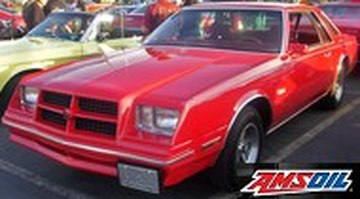
Maintaining Lubrication Standards for the 1982 Chrysler CORDOBA 5.2L
Proper engine care for a vehicle of this era requires a focus on consistent monitoring and adherence to specific fluid requirements. For owners of a 1982 Chrysler CORDOBA equipped with the 5.2L engine, maintaining the lubrication system is a fundamental aspect of long-term mechanical health. Because older engines can exhibit different sealing characteristics than modern counterparts, a proactive approach to inspection and oil selection is highly beneficial.Monitoring Fluid Integrity and Potential Seepage
A primary component of routine maintenance involves regular visual inspections of the engine bay. For a 1982 Chrysler CORDOBA, checking for signs of fluid seepage is an essential habit. Rather than waiting for a visible puddle to form under the vehicle, owners should look for "wet" areas around various engine components. When performing these checks, inspect the area surrounding gaskets and seals for any evidence of weeping or residue. If you notice dark, oily staining on the engine block or near connection points, it may indicate that a seal is beginning to age. Additionally, checking the condition of hoses, if present, can prevent secondary issues; dry-rotted or excessively soft hoses can sometimes lead to unexpected fluid loss. It is also useful to observe the appearance of the oil itself during routine checks. While oil naturally darkens over time due to use, an extremely rapid change in color or a gritty texture can warrant further investigation. If you notice any unusual mechanical noises coinciding with changes in how the engine sounds during startup or idling, these symptoms should be investigated to ensure the lubrication system is performing as intended.Prioritizing Maintenance Based on Current Condition
As vehicles age, the most effective way to manage maintenance is to prioritize tasks based on the actual condition of the machine rather than relying solely on chronological age. For a 1982 Chrysler CORDOBA, this means establishing a baseline of what "normal" looks like for your specific engine. If you have recently acquired the vehicle and do not have access to a comprehensive service history, your first priority should be to document the current state of all vital fluids. Reviewing any available maintenance records can provide insight into when components were last serviced, which helps in distinguishing between necessary preventive maintenance and unnecessary parts replacement. Once a baseline is established, focus on addressing active concerns first. This includes:- Investigating any visible fluid leaks or seepage.
- Monitoring for changes in lubricant consumption levels.
- Checking the condition of age-sensitive components like electrical connections or accessible belts, if equipped.
- Ensuring that all service intervals are being met according to a consistent schedule.
The Role of Lubrication in Engine Longevity
Engine oil performs several vital roles that go beyond simple lubrication. In any internal combustion engine, the lubricant acts as a medium for heat management, helping to dissipate thermal energy away from high-friction areas. It also serves as a cleaning agent, carrying microscopic particles and contaminants toward the filtration system to prevent them from accumulating in sensitive areas. Maintaining clean and fresh oil is critical for preventing the buildup of deposits. Over time, the chemical breakdown of oil can lead to the formation of sludge, which can interfere with the smooth operation of various engine components. Regular changes ensure that the additives designed to control oxidation and maintain thermal stability remain effective. For an older 5.2L engine, consistent lubrication helps mitigate the effects of friction and ensures that the internal environment remains as clean as possible.Managing Age-Related Maintenance Needs
When maintaining a vehicle from the early 1980s, it is important to recognize that materials such as rubber, plastic, and various sealants can change in flexibility over several decades. While this does not mean every component is failing, it does mean that certain areas require more frequent attention. If equipped, inspect accessible drive belts for signs of deterioration such as cracking, glazing, or fraying. Similarly, if the vehicle utilizes a cooling system with various hoses, these should be checked for brittleness or swelling. Even if no immediate problem is visible, being aware of the condition of these components allows for replacement before a failure occurs. Furthermore, keeping a detailed log of all completed repairs and fluid changes is one of the most effective ways to manage an older vehicle. A well-documented history allows you to spot trends—such as a gradual increase in oil consumption or a recurring leak—which can provide early warning signs of a component that may eventually require more significant attention.Practical Steps for Effective Ownership
Effective ownership of a 1982 Chrysler CORDOBA involves moving from reactive repairs to proactive management. This transition is achieved through several practical habits:- Consistent Observation: Make it a habit to look under the hood during every fuel fill-up or routine wash.
- Data Collection: Keep a dedicated folder or digital file for all receipts, part numbers, and service dates related to the 5.2L engine.
- Condition-Based Decisions: Use your observations of leaks, noises, and fluid quality to guide your maintenance schedule rather than following generic advice that may not apply to your specific vehicle's state.